
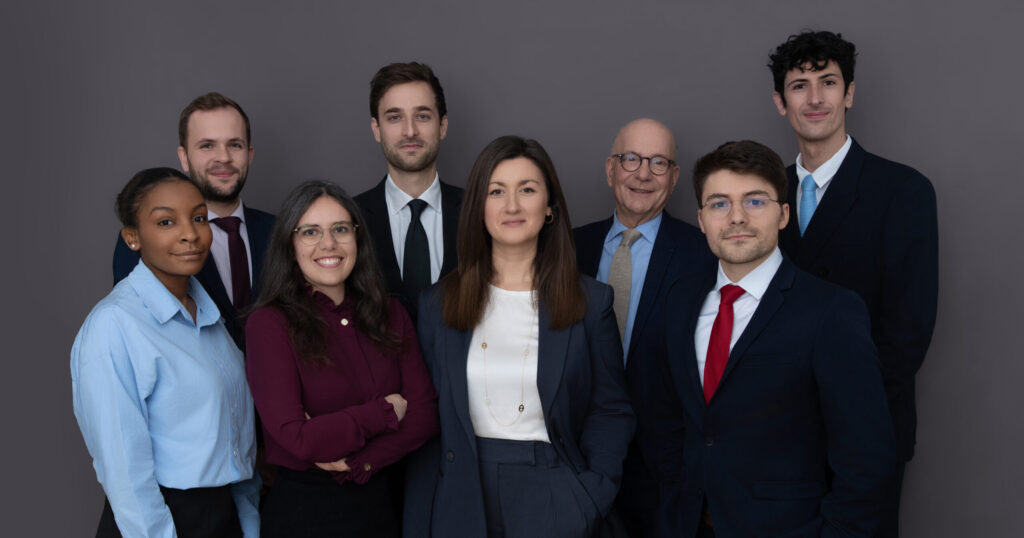
After more than ten years of practicing together at DS Avocats, Arnaud Fendler, Jean-Marie Salva and Dimana Todorova have set up Fendler Salva Partners, an independent French European law firm dedicated exclusively to international trade, customs and economic security.
The firm was founded with a clear ambition: to better serve clients navigating profound transformations at national, European and global levels, transformations that even artificial intelligence, a driver of change itself, cannot fully address. In today’s environment, marked by the weakening of multilateralism, the rise of national security considerations, increasingly complex regulatory frameworks, and the growing importance of ethical and environmental standards, risk management and compliance have become daily imperatives. While customs and trade compliance is now indispensable, the European Union’s trade instruments designed to help companies grow internationally and protect European industries remain underused.
Fendler Salva Partners brings together a wealth of experience in advising companies in customs regulations, sanctions and export controls, trade defence instruments, product compliance, and in supporting operators through customs and trade controls led by regulators. Its mission is to help clients face the dual challenge of mastering risk while optimising trade flows to remain competitive. With this integrated approach, the firm supports businesses, industry associations and institutions in securing, optimising and defending their international operations within an ever-evolving regulatory landscape.
The creation of Fendler Salva Partners stems from the conviction that clients expect more than legal expertise alone. They look for partners who combine in-depth technical knowledge, strategic vision grounded in economic understanding, and true responsiveness and agility. Born from the experience of a leading international law firm, the new structure blends technical excellence with strategic insight and an international outlook. The firm’s culture is strengthened by active involvement in professional and institutional networks such as the ICC, the Global Customs Lawyer Association, the European Customs Counsel network and the European Trade Lawyer Association, ensuring clients benefit from cross-border perspective and influence.
With offices in Paris and Brussels, Fendler Salva Partners is ideally positioned to support clients before both French and European authorities. Its independent, multidisciplinary and internationally minded team offers tailored advice and strategic guidance, fostering long-term trust and delivering high-value solutions in a rapidly evolving trade landscape.